

How I work
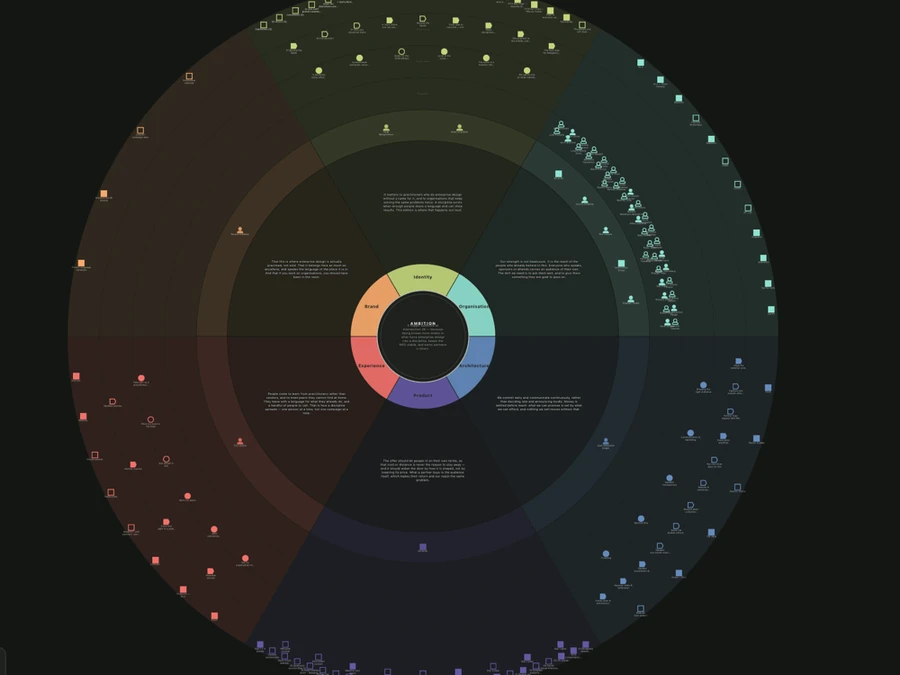
I've gone deep in several places: design, facilitation, systems, enterprise, teaching. I don't bring all of it to every project. Most mandates need three or four of those, not twenty. Each one has been the core of real work at some point, not a line added to look complete. The trick isn't knowing which ones I have. It's knowing which ones to leave in the bag. (The bag is getting heavy.)



Design
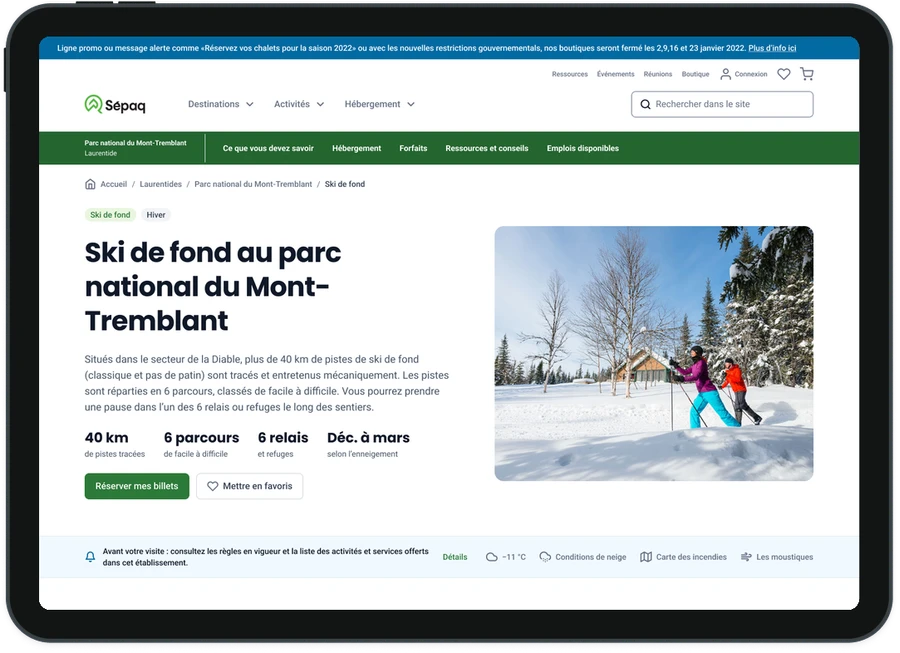
Good design isn't decoration. I start from what people need and what the business has to achieve, then shape a product that holds up in the real world.

Product design
End-to-end design from concept to launch.

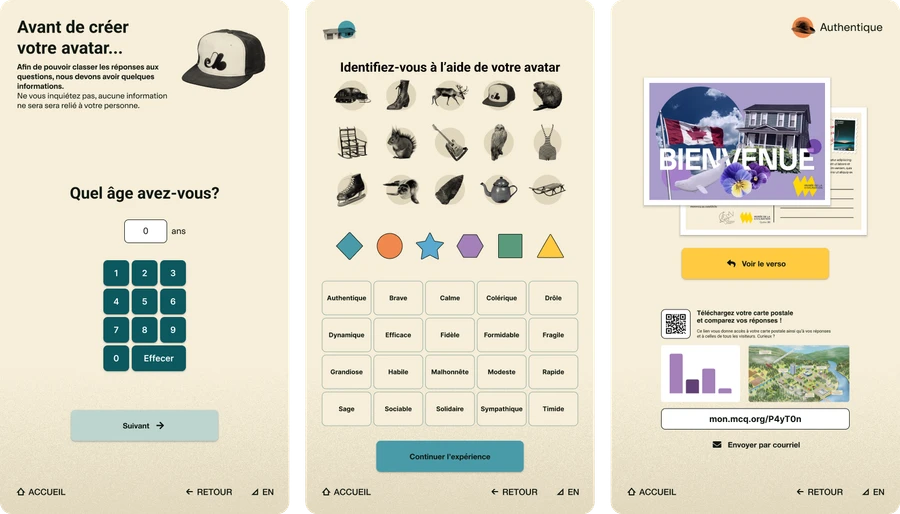
User research
Evidence-based decisions from real user insights.

UX/UI
Clear, scalable interface design.

Audit
Identify and permanently fix root causes.

Strategy
When a product struggles, the cause is often upstream: an unclear mission, a portfolio nobody agrees on, an organization built for a different era. I work at that level too.

Enterprise Design
Align strategy, structure, and identity.

Strategic foresight
Anticipate future trends; don't react.
Business architecture
Align product portfolios with core mission.

Transformation
Drive change without operational disruption.
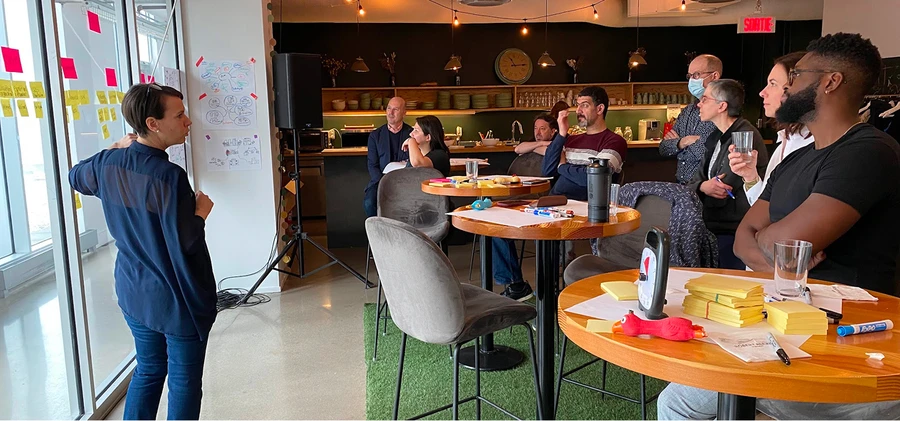

Workshops
A workshop is a brief, intense moment to make progress. I frame the problem, surface the best ideas, and close with something concrete rather than a list of intentions.

Business Sprint
Turn strategic ideas into actionable plans.

Sprint Zero
2-day alignment and project launch prep.
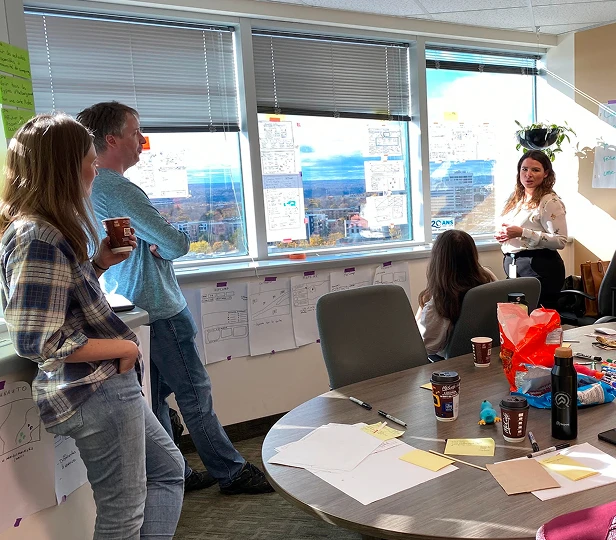
Design Sprint
5-day prototyping and user testing cycle.

Identity Sprint
Clarify vision and align team direction.



System
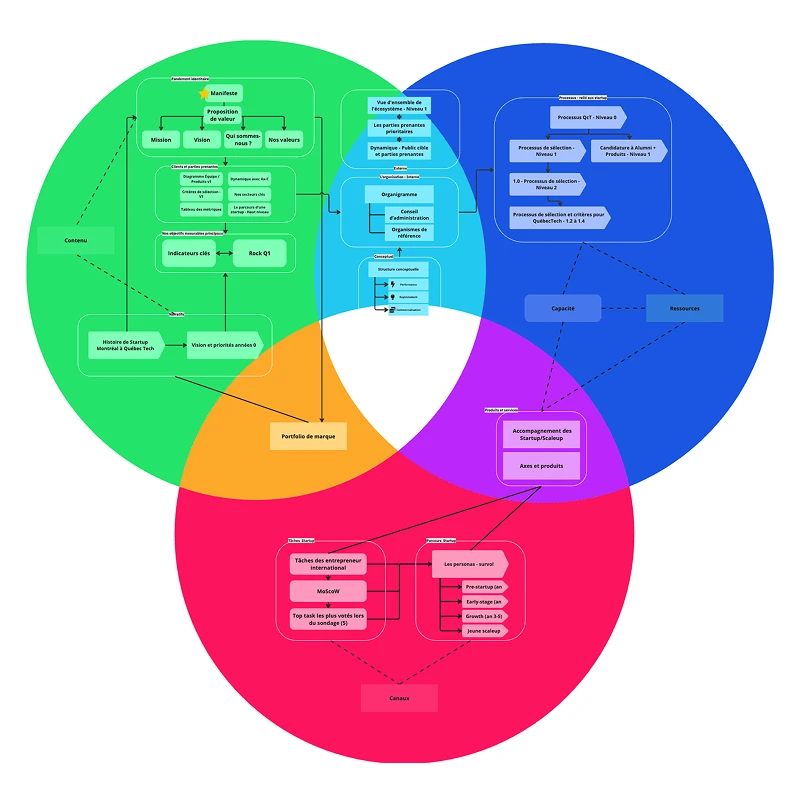
Most problems don't live inside a screen. They live in the system around it: processes, teams, tools, and the handoffs between them. I map that system so the solution fits reality.
Ecosystem mapping
Reveal hidden system dynamics and opportunities.
Root cause analysis
Solve root causes, not symptoms.
Enterprise mapping
Bridge the gap between strategy and delivery.
Service design
Optimize the complete customer experience.


Training
I want teams to keep moving on their own once I leave. Every session is built around their real problems, not generic examples.

Enterprise mapping
Align strategy, process, and execution.

Design Thinking
Hands-on framing, testing, and deciding.

Design Sprint
Solve real challenges, fast.
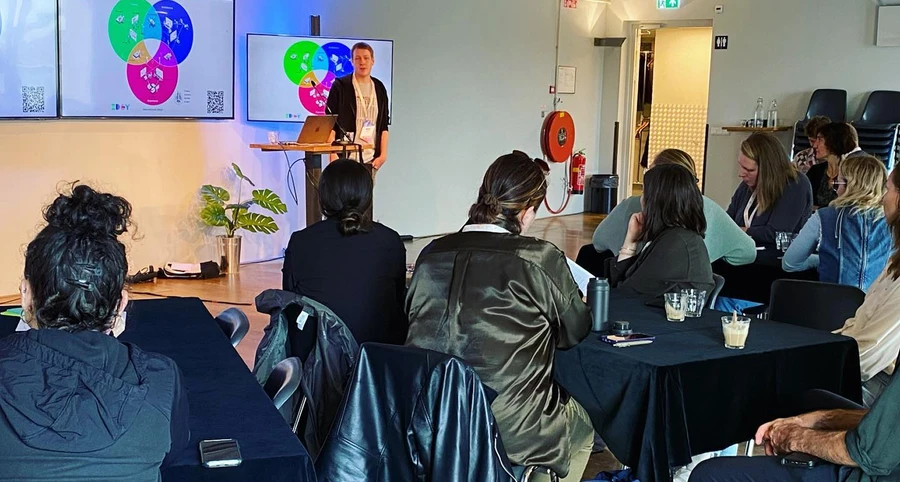
Facilitation
Lead workshops to reach decisions.

AI
I don't sell AI as a product. I implement it inside how a team already works, teach people to keep using it, consult on where it actually helps, and find the opportunities that were hiding in plain sight.

Implementation
Build and embed the tool directly into a team's existing workflow. Not a demo, a working system.

Teaching
Hands-on training so the team keeps using and improving the tools after I leave.

Consulting
Advise on where AI actually fits (and just as often, where it doesn't) before committing budget or headcount.

Opportunity mapping
Audit how a business runs today to find where AI saves real time, not just where it's trendy.